

Modern manufacturing demands high efficiency, precision, and reliability. As production processes become increasingly complex, manufacturers need advanced control systems to maintain productivity and remain competitive. One of the most important technologies supporting this transformation is the PLC controller application. By automating critical operations and ensuring consistent performance, PLC systems have become a fundamental part of modern industrial environments.
Enhancing Automation and Productivity
One of the primary reasons manufacturers rely on a PLC controller application is its ability to automate repetitive tasks. Traditional manual operations often require significant labor and can lead to inconsistencies in production. However, PLC-based systems can execute programmed instructions continuously and accurately.
Moreover, automation reduces the need for constant human intervention, allowing operators to focus on monitoring and optimization rather than routine tasks. As a result, production lines can operate more efficiently and achieve higher output levels. Consequently, manufacturers can meet growing market demands while maintaining product quality.

Improving Accuracy and Consistency
In manufacturing, even small errors can result in product defects, wasted materials, and increased costs. Therefore, maintaining accuracy is essential for successful operations. A PLC controller application provides precise control over machinery, sensors, motors, and production equipment.
Furthermore, PLC systems process input signals in real time and respond instantly according to programmed logic. This ensures consistent operation throughout the production cycle. In addition, manufacturers can maintain uniform product quality across large production volumes, which is crucial for customer satisfaction and brand reputation.
Increasing System Reliability
Reliability is another critical factor in industrial manufacturing. Unexpected equipment failures can lead to costly downtime and missed production targets. Fortunately, modern PLC systems are designed to operate in demanding industrial environments.
Because PLC controllers are highly durable and resistant to electrical noise, vibration, and temperature fluctuations, they can maintain stable performance for extended periods. Additionally, diagnostic functions help operators quickly identify potential issues before they develop into major problems. Therefore, a PLC controller application contributes significantly to reducing downtime and improving operational reliability.
Supporting Flexible Manufacturing Processes
Today’s manufacturers often need to adapt production lines to different products and customer requirements. Unlike traditional relay-based control systems, PLCs can be reprogrammed without extensive hardware modifications.
As manufacturing needs change, engineers can simply update software programs to accommodate new processes. Consequently, businesses gain greater flexibility and can respond more quickly to market trends. This adaptability is particularly valuable in industries such as automotive, electronics, food processing, and packaging.
Enabling Smart Factory Development
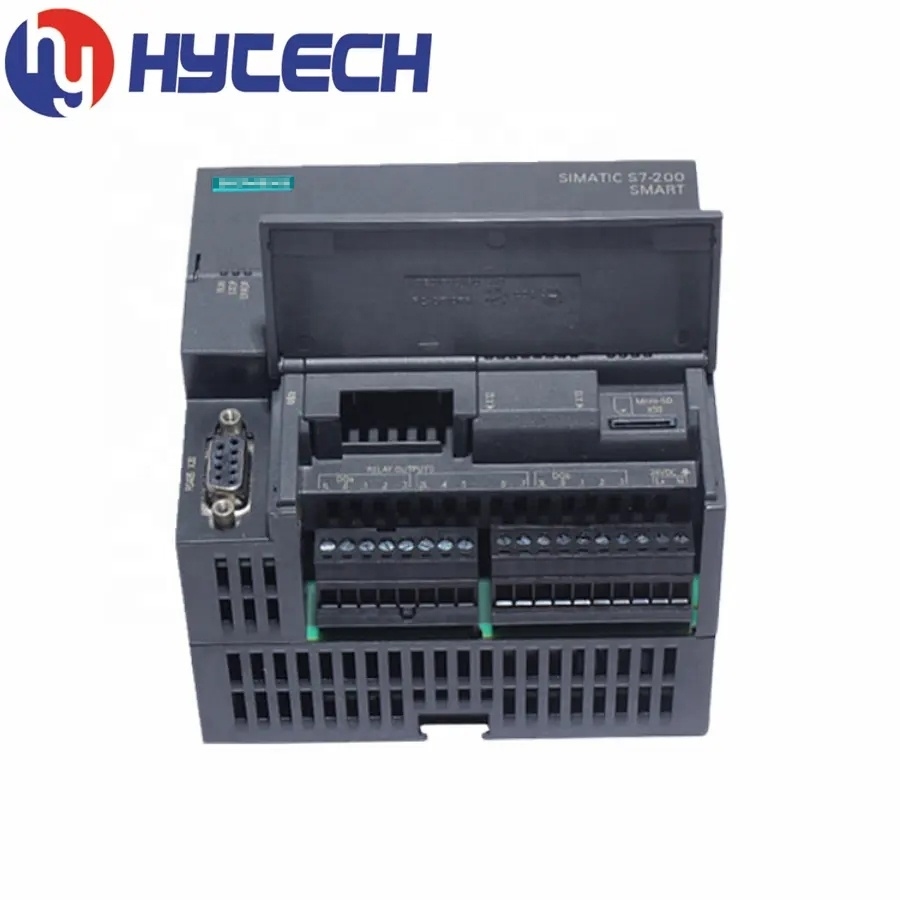
Industry 4.0 has accelerated the adoption of intelligent manufacturing technologies. Modern factories require seamless communication between machines, sensors, and control systems. A PLC controller application serves as a key component in this connected environment.
Moreover, PLCs can integrate with Human Machine Interfaces (HMIs), Supervisory Control and Data Acquisition (SCADA) systems, industrial networks, and cloud-based platforms. As a result, manufacturers can collect real-time production data, monitor equipment performance, and make informed operational decisions.
Furthermore, advanced data analysis helps identify inefficiencies and opportunities for process improvement. Therefore, PLC technology supports both current production requirements and future digital transformation goals.
Reducing Operational Costs
Although automation requires an initial investment, it often generates significant long-term savings. PLC-controlled systems help reduce labor costs, minimize material waste, and improve energy efficiency.
Additionally, automated processes can operate continuously with fewer interruptions, which maximizes equipment utilization. Consequently, manufacturers achieve a better return on investment while maintaining competitive production costs. Many companies choose reliable automation solutions from providers such as HY-TECH to improve operational performance and support long-term growth.
Conclusion
The importance of a PLC controller application in modern manufacturing cannot be overstated. It enhances productivity, improves accuracy, increases reliability, supports flexible production, and enables smart factory integration. Moreover, it helps manufacturers reduce costs while maintaining high-quality standards.
As industrial automation continues to evolve, PLC technology will remain a core element of efficient manufacturing systems. With advanced solutions from companies like HY-TECH, manufacturers can build more intelligent, reliable, and competitive production environments for the future.