


In modern industrial automation, human-machine interfaces play a critical role in streamlining operations. Among these, the HMI touch screen stands out as an essential tool for efficient control and monitoring. But what exactly is it, and how does it function in industrial settings?
Understanding the Basics of HMI Touch Screens
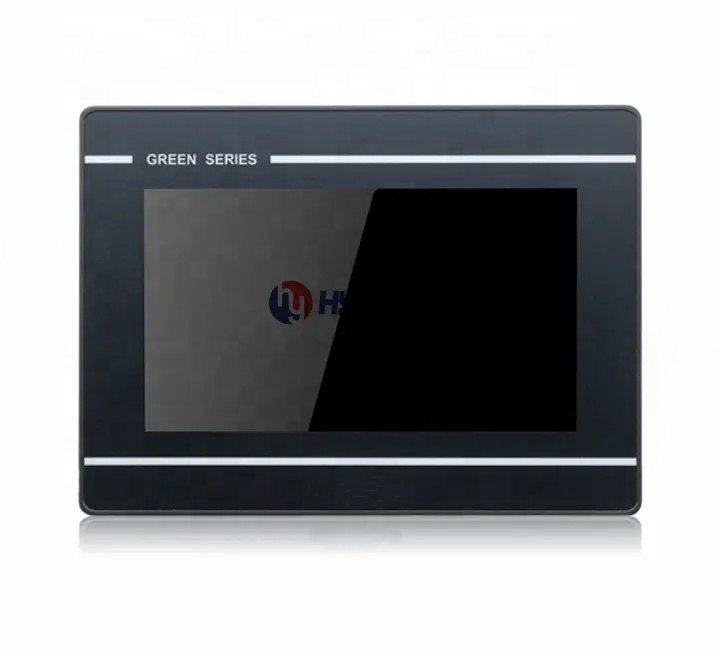
An HMI touch screen is a device that allows operators to interact directly with machinery or industrial systems through a graphical interface. Unlike traditional buttons and switches, touch screens provide a more intuitive experience. Operators can view real-time data, adjust parameters, and receive alerts all on one display. Consequently, HMI touch screens significantly reduce the risk of human error while increasing productivity.
Key Components and Operation
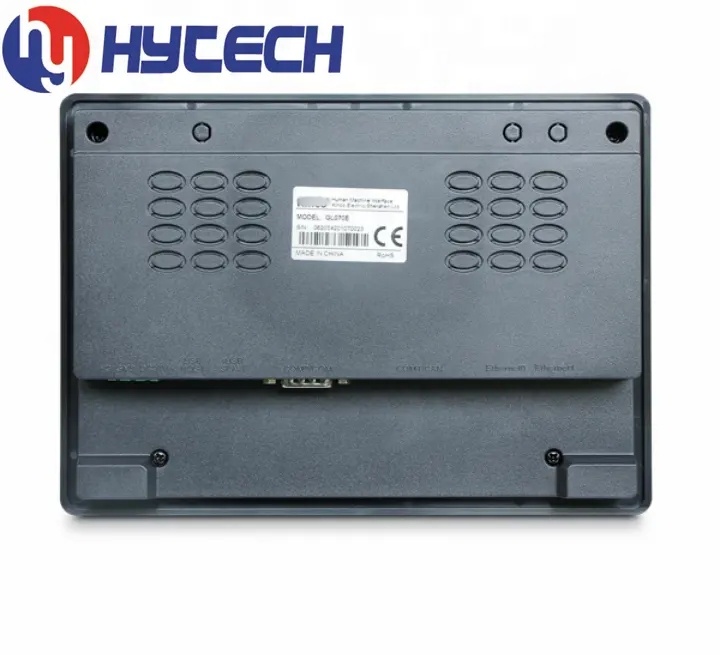
Typically, it consists of a display panel, a touch-sensitive layer, and embedded software. The display shows system information, while the touch layer detects user input. When an operator touches a specific area on the screen, the embedded software interprets the command and sends it to the corresponding machinery. Moreover, modern HMI touch screens often include connectivity options, allowing integration with PLCs (Programmable Logic Controllers) and other control systems. This seamless communication ensures precise and responsive operation.
Advantages of Using an HMI Touch Screen
One of the main advantages of an HMI touch screen is its ability to simplify complex processes. For example, operators can monitor multiple variables simultaneously without navigating through multiple panels. Additionally, these devices provide visual cues such as graphs and charts, making data interpretation easier. Furthermore, HMI touch screens enhance safety by displaying warnings and system statuses in real time. Therefore, many industrial companies, including HY-TECH, have adopted these interfaces to optimize efficiency and ensure smooth operations.
Applications Across Industries
HMI touch screens are versatile and used in a variety of sectors. In manufacturing, they manage assembly lines and robotic systems. In energy production, they monitor power distribution and performance. Additionally, the food and beverage industry relies on HMI touch screens to maintain quality control and compliance standards. As a result, businesses benefit from improved decision-making, operational visibility, and faster response times.
Conclusion
In summary, the HMI touch screen is a crucial component of modern industrial automation. By providing an intuitive interface, real-time monitoring, and seamless integration with control systems, it empowers operators to manage processes more effectively. Companies like HY-TECH leverage these devices to enhance productivity, safety, and operational reliability. Understanding how an HMI touch screen works can help businesses make informed decisions when upgrading their industrial control systems.