


In today’s highly competitive manufacturing landscape, optimizing factory operations is essential for maintaining productivity and reducing costs. One of the key technologies driving this improvement is industrial sensor applications. These systems provide real-time monitoring, precise measurements, and automated controls that help factories operate more efficiently. Therefore, understanding the benefits of implementing it is crucial for modern production facilities.
Real-Time Monitoring and Data Collection
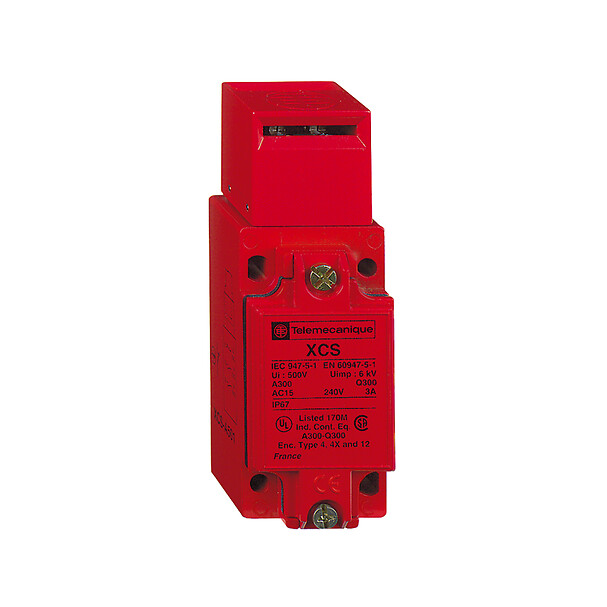
First and foremost, industrial sensor applications enable real-time monitoring of critical equipment and processes. Sensors can detect temperature, pressure, vibration, and other operational parameters, allowing operators to identify anomalies before they lead to downtime. Additionally, the collected data provides valuable insights into production trends and equipment performance. As a result, factories can respond quickly to potential issues, ensuring smoother operations and minimizing production delays.
Automation and Process Optimization
Moreover, industrial sensor applications play a vital role in automating manufacturing processes. By integrating sensor data with programmable logic controllers (PLCs) and industrial IoT systems, factories can automate adjustments to production lines, maintain optimal operating conditions, and reduce human intervention. Consequently, this leads to increased throughput, consistent product quality, and lower operational costs. Furthermore, automation allows factory managers to allocate labor resources more effectively, focusing on strategic tasks rather than manual monitoring.
Predictive Maintenance and Reliability
In addition to process automation, it supports predictive maintenance strategies. By continuously analyzing sensor data, manufacturers can predict when equipment requires servicing, replacing the traditional reactive maintenance approach. This proactive method reduces unexpected breakdowns, extends machinery lifespan, and improves overall production reliability. Consequently, predictive maintenance powered by industrial sensor applications enhances both efficiency and safety within the factory environment.
Enhanced Decision-Making and Analytics
Finally, the insights generated by industrial sensor applications enable data-driven decision-making. Factory managers can leverage analytics to optimize workflows, reduce energy consumption, and streamline inventory management. Furthermore, these systems support continuous improvement initiatives by highlighting inefficiencies and suggesting actionable solutions. Therefore, factories that implement gain a competitive advantage by making informed decisions that boost overall performance.
Conclusion
In conclusion, industrial sensor applications significantly improve factory efficiency by providing real-time monitoring, enabling automation, supporting predictive maintenance, and facilitating data-driven decision-making. Their ability to optimize operations, enhance product quality, and reduce costs makes them an indispensable technology in modern manufacturing. By integrating it into production processes, factories can achieve higher productivity, improved reliability, and a more competitive edge in the market.